Radiance
Feature film




The project came with good musical baggage: Madame Butterfly from Cressy's career, language singing (a gift from Bangarra Dance Theatre and a gem from Palm Island sung by Renata Prior), and heavy metal rock (from Nokturnl) playing in Mae’s car. And there had to be indigenous drumming (new studio recordings maneouvred to fit by Kirke Godfrey).
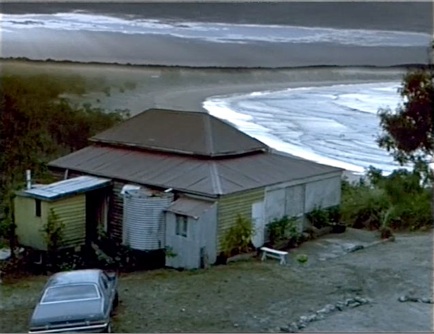
The wail and moan of a slide guitar (played by Michel Rose) had the presence to hold its own among all this ammunition and fitted the north Queensland setting as well as reinforcing Nona’s rodeo fantasies. The piano proved capable of straddling both the classical and roots country music worlds.
A bamboo xylophone, while not culturally specific, became a useful device for building tension and reinforcing the tropical location.
But the genesis of the score occurred one afternoon at a friend’s barbecue.
Maria Callas was hitting high notes from Puccini on the sound system as one of the children was swinging a whirly tube. The sonic disturbance of the two sounds was eerily compelling and distancing.
I tuned some whirly tube samples to add an extra layer of space to the exterior cues and to suggest an off-kilter echo of childhood, particularly during the third act when the score assumes a more orchestral colour. Simon Leadley’s mix made it work
The decision to use My Island Home was last-minute and I finished the arrangement on the plane going to meet up with Tiddas to record it.
The girls rose to the occasion with enthusiasm and respect for Neil Murray’s song and we went on to share a Deadly Sounds award. Thanks Tiddas and thanks Neil for allowing me to reprise a bit of it here.
Liaising with editor James Bradley enabled me to glue the dramatic scoring tightly to the emotional action, always edging the story forward. Perhaps this is what critic Evan Williams was talking about when he said I manipulated the score to characterise meaning.
The musical direction side was aided, as ever, by the licensing skills and advice of Christine Woodruff.
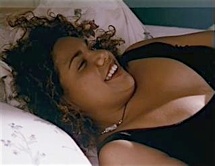
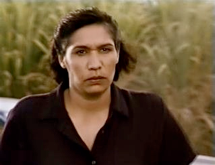

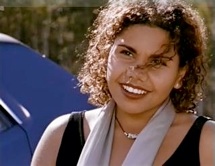
Three estranged sisters are pulled together by their mother’s death: Cressy is an opera singer, cultivated and uptight; Mae stayed home to look after mum and knows the hard realities of being Aboriginal in a white coastal community; and free-spirited Nona, the baby of the family, has bounced from bed to bed and is pregnant.